Discover best practices, industry news, and expert insights on modernizing election administration.
Georgia's county election officials are now navigating a compliance deadline that arrived without a funded path to meet it. Senate Bill 189 bans QR code ballots starting July 1, 2026, but the state has provided no replacement system, funding, or transition timeline.
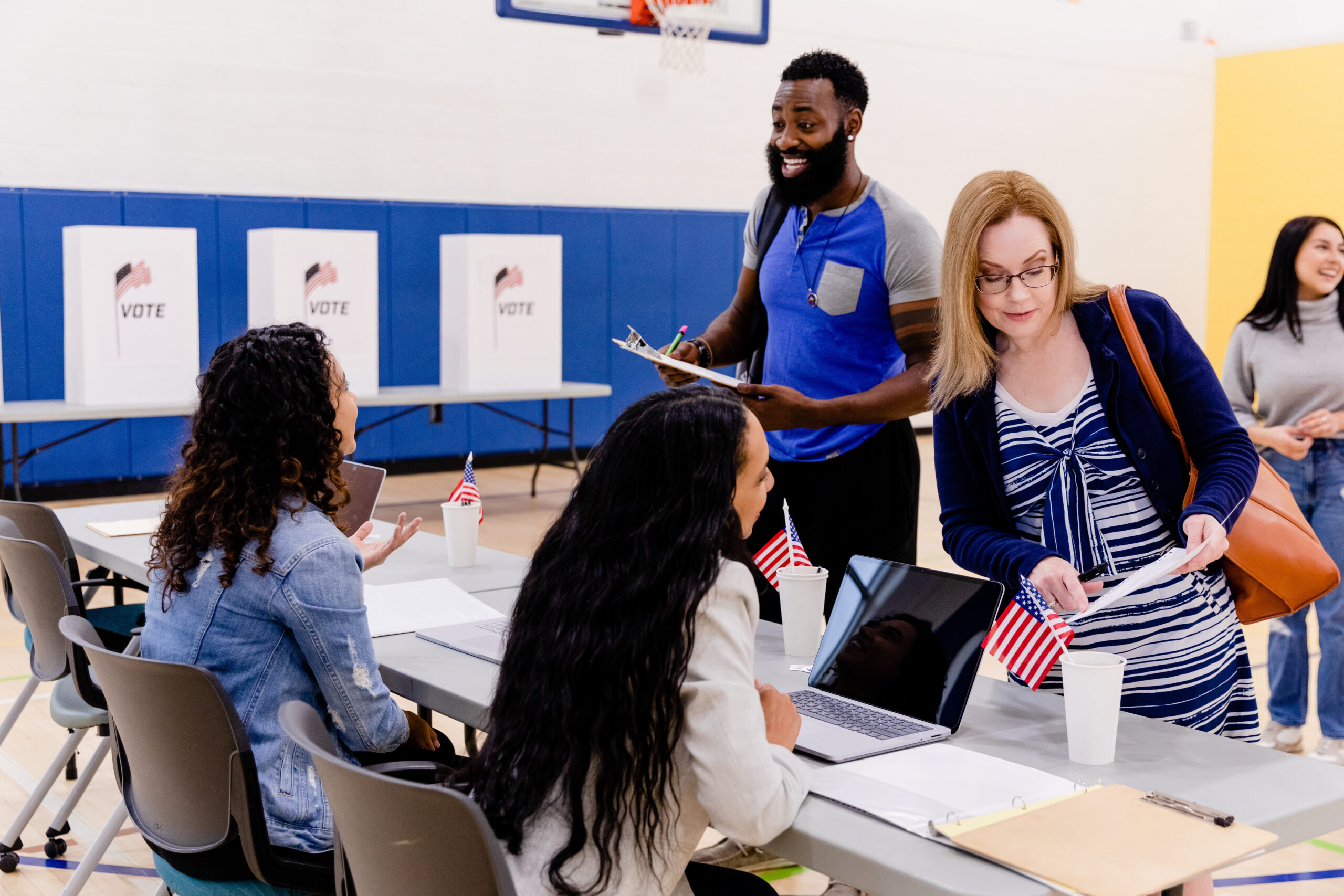
Established in 2020 by the EAC, National Poll Worker Recruitment Day is a nationwide day of action dedicated to encouraging citizens to sign up & Help America Vote. In 2026, National Poll Worker Recruitment Day will be observed on Tuesday, August 4.
A major policy change can look simple on paper. Implementing it across real election operations is where counties begin to feel the pressure under the One Big Beautiful Bill Act (OBBBA).
Election offices today are managing more voter communication than ever before. Learn how conversational AI and digital accessibility are changing the future of voter support.
Election offices today face an increasingly difficult communication challenge. Discover how multilingual voter outreach and mobile-first operations improve access and trust.
Election offices today are navigating one of the most significant technology shifts in public administration. Artificial intelligence is no longer a distant concept.
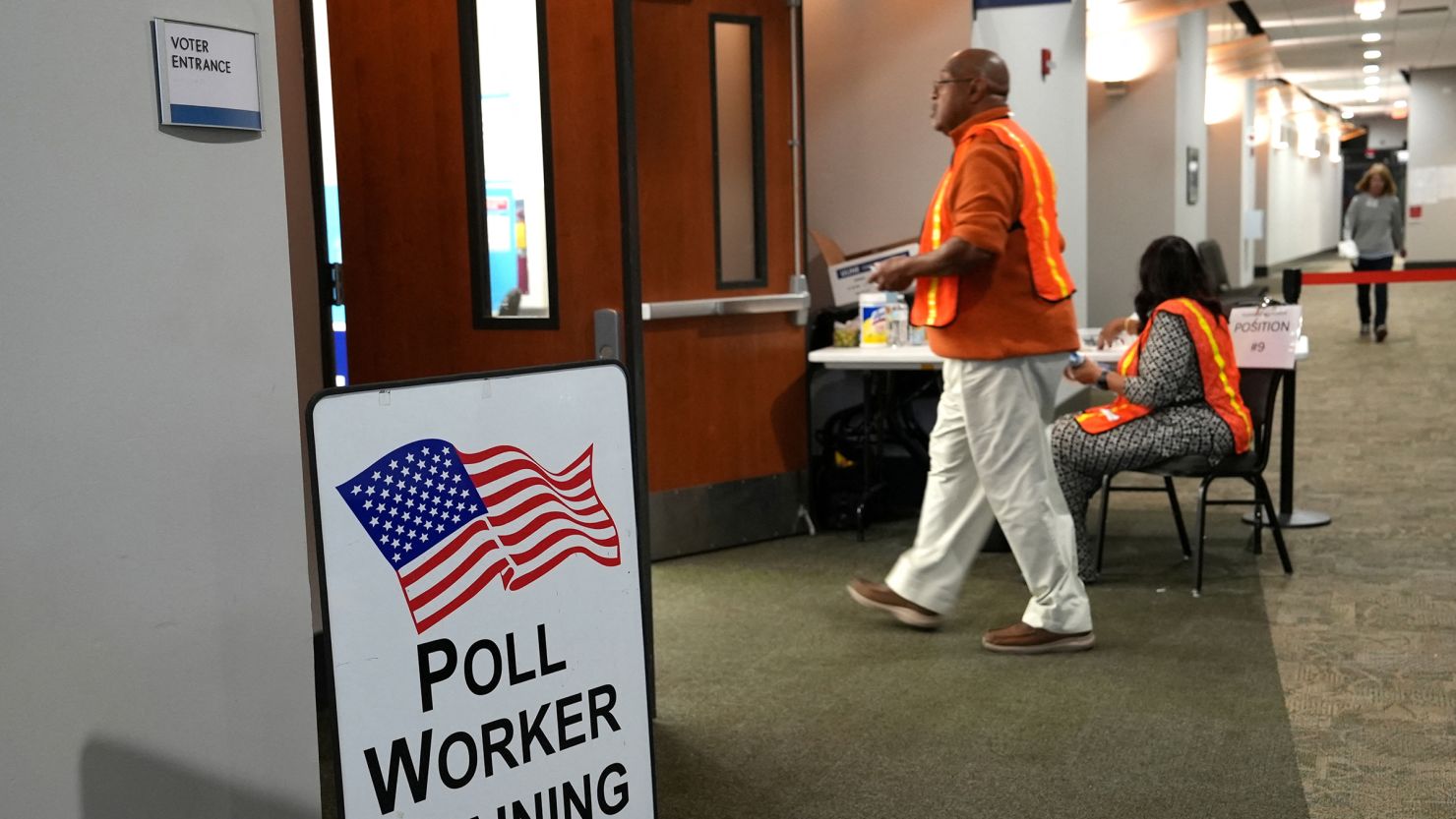
America's elections run on people. Thousands of poll workers recruited, trained, assigned & deployed in every county for every election. The entire system depends on it.
Poll workers rarely work a standard shift on Election Day. Schedules extend. Coverage gaps get filled at the last minute. Managing additional pay is a quiet operational challenge.
Today's voters are accustomed to real-time communication. Generic email blasts aren't cutting it. Smart outreach tools are redefining election communication.
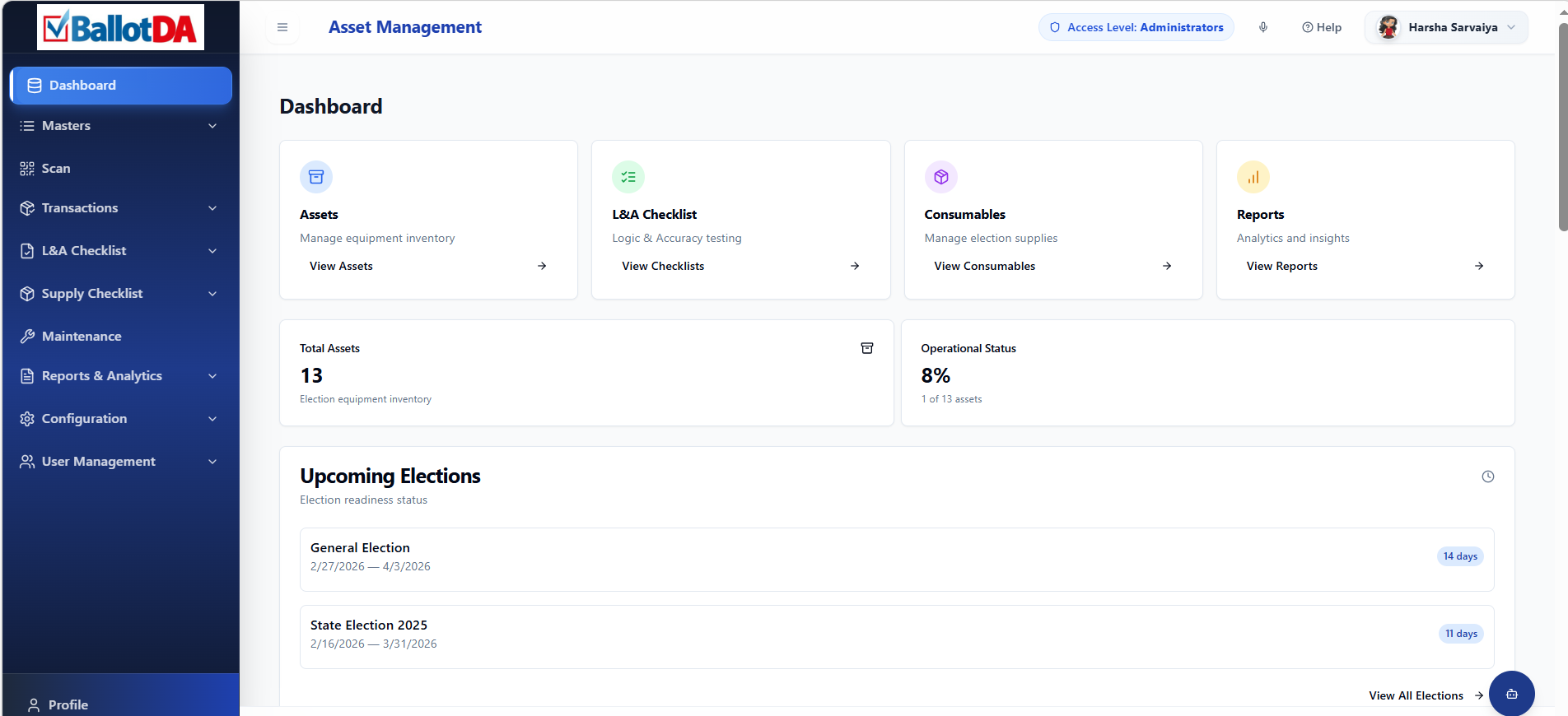
Every election cycle, thousands of items move out of storage and into the field. Tracking assets is about being able to demonstrate accountability across the entire equipment lifecycle.
Election offices spend significant time ensuring polling locations are accessible to voters. What is far less consistently addressed is accommodation for poll workers themselves.
Open records requests related to elections have increased significantly in recent election cycles. Is your office built for the new standard of election transparency?
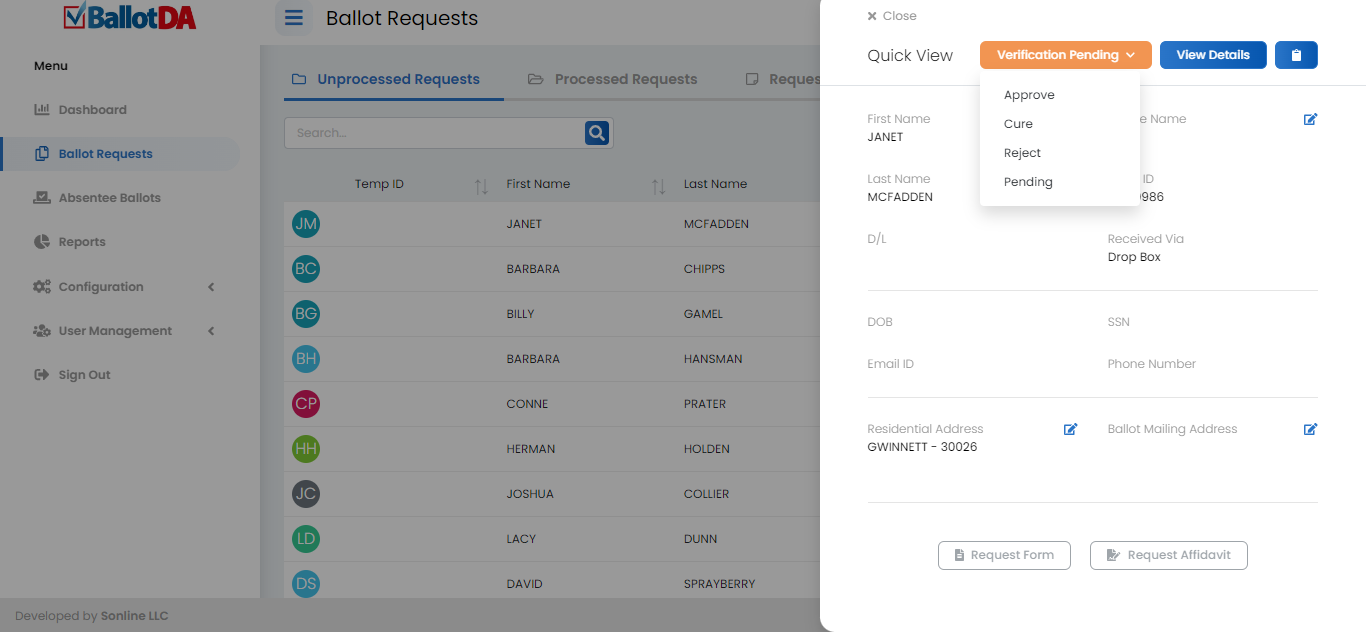
With the growth in absentee voting comes a process that election offices are managing at increasing scale: signature cure. Signature cure is one of the highest-stakes steps.
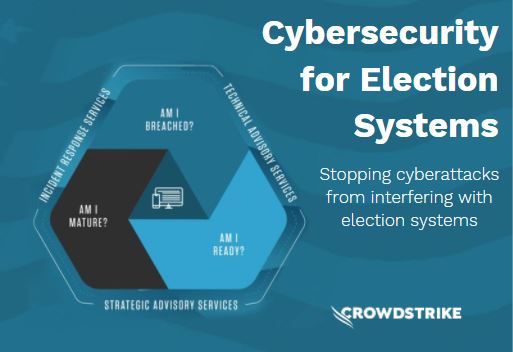
The threat environment facing election infrastructure has not decreased. Local election offices remain targets for phishing, ransomware, and credential attacks.
For counties covered under Section 203 of the Voting Rights Act, bilingual election assistance is a federal legal requirement. Not a courtesy.
The Help America Vote Act has shaped election administration for more than two decades. What has changed is the environment around it and the demands for compliance documentation.
The legislative session produced significant election law changes across dozens of states. For local election officials, each of these changes carries an implementation requirement.
Election Day creates a payroll scenario most HR systems were never built to handle. Understand how to fix it before the post-election crunch hits your office.
No one quits over a mileage claim but plenty don't come back because of one. Small dollars, big retention signal.
Going back to the same pipeline every cycle isn't a strategy, it's managed decline. So how are forward-thinking counties reaching workers they've never had?
Logic and accuracy testing checks if your voting equipment works. Documentation proves it did. Most counties do one. Far fewer are ready for the other.
Envelopes, seals, signage, provisional materials and every item that leaves the warehouse is a potential gap waiting to happen. Good planning prevents it. A system makes planning reliable.
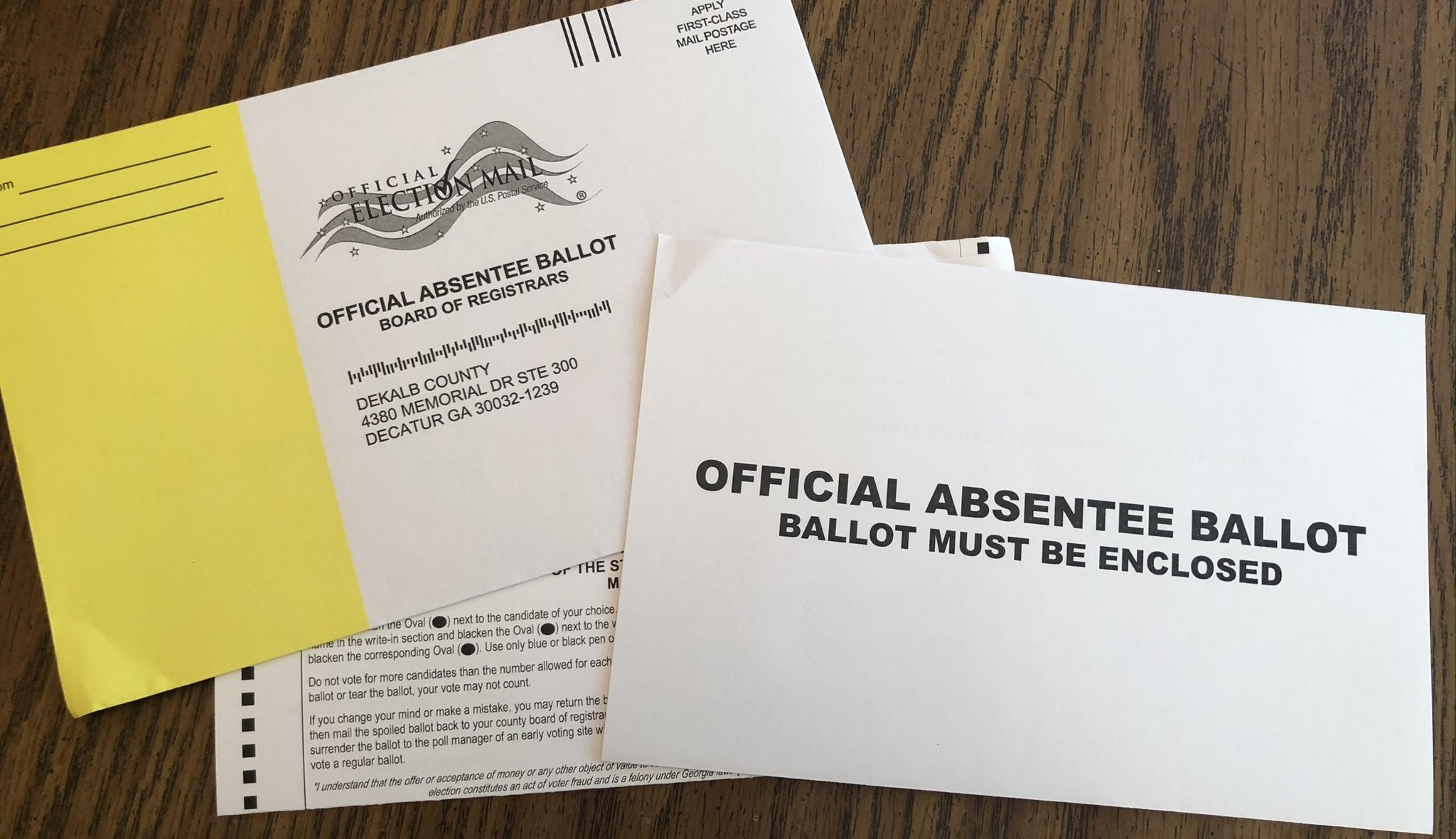
Absentee ballot rules change every legislative session. The form on your website, the envelope instructions, the cure deadline, any one of them being out of date puts voters and your office at risk.
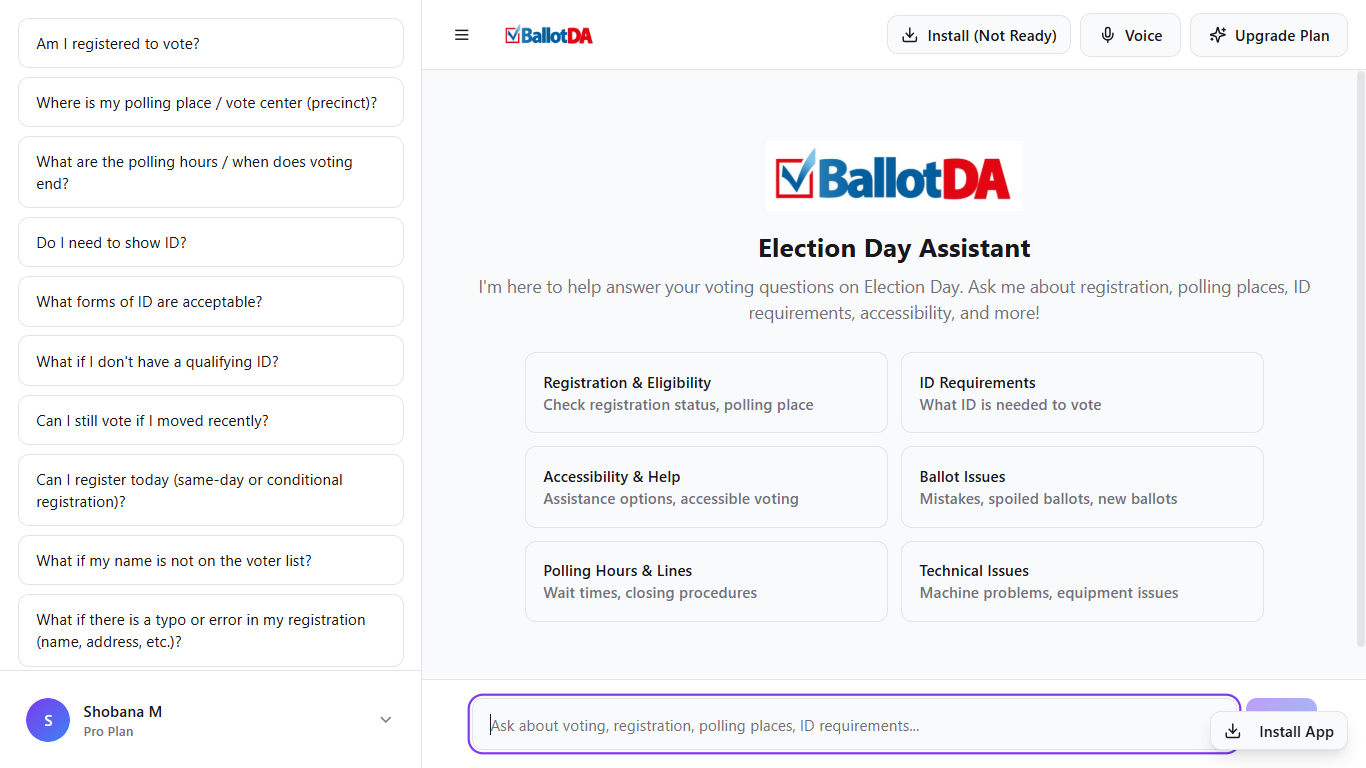
Where is my polling place. What ID do I need. Has my ballot arrived. The questions are predictable. The volume is not. AI-powered voter assistance changes the math.
It's 9pm before Election Day and a question just came in that needs a definitive answer. The search engine returns twelve conflicting pages. There is a better way to find what you need.
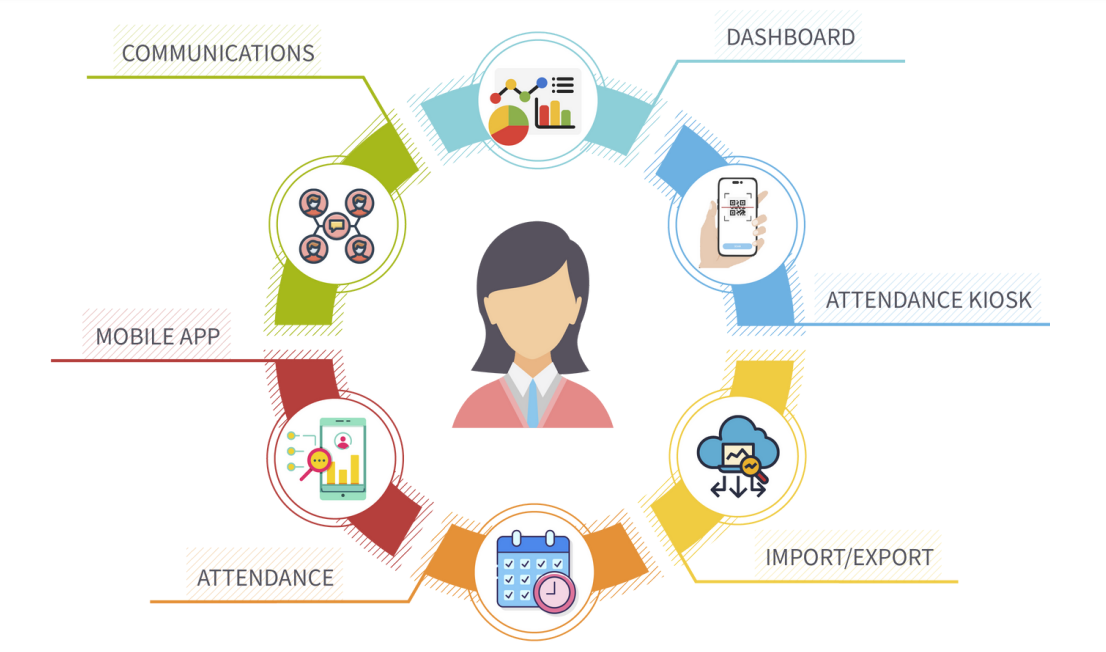
Managing a modern election requires coordinating hundreds or thousands of temporary poll workers. Legacy spreadsheets and paper forms create coordination gaps, increase administrative burden, and lead to Election Day staffing uncertainty. This article explores how a dedicated poll worker management software system unifies recruitment, scheduling, and training into a single operational workspace.
Paying poll workers accurately and on time is a critical final step in the election lifecycle, yet many offices struggle with manual paper timecards and complex compliance guidelines like OBBBA. Discover how modern poll worker payroll software automates time tracking, calculates appropriate overtime premiums, and generates clean, system-ready exports.
Scheduling temporary workers across dozens of precincts during early voting and Election Day is a monumental logistical challenge. Last-minute dropouts and shifting turnout projections require a dynamic scheduling system. Learn best practices for scheduling poll workers and maintaining active standby rosters.
Finding qualified poll workers is becoming increasingly difficult as older generations retire. Election offices must pivot to modern digital recruitment strategies, targeted outreach programs, and seamless online application portals to build a diverse and reliable pipeline.
On election morning, knowing whether your precincts are fully staffed by 6:00 AM is the difference between a smooth opening and immediate operational crisis. Explore how digital kiosk check-ins and centralized real-time dashboard tracking eliminate uncertainty and keep your command center informed.
Retaining complex rules, machine procedures, and voter check-in workflows requires structured training. Traditional classroom lectures fatigue trainers and fail to track retention. Learn how online, video-based training management systems track progress and prepare workers for the field.
State election laws often dictate that only certified individuals can manage specific voting machines or perform ballot verification. Maintaining a clear, audit-ready log of certified workers protects your office from litigation and procedural challenges.
Using disconnected systems for recruitment, scheduling, training, and payroll creates operational blind spots. A unified approach to election workforce management improves efficiency, reduces staff burnout, and ensures a seamless transition across all operational phases.
From non-partisan oath requirements to security protocols and equipment chain of custody, poll workers represent a key compliance interface. Implementing standardized compliance tracking ensures every worker has signed oaths and completed mandatory security steps.
During critical election phases, the ability to send instant, targeted SMS updates, emergency alerts, and training reminders to specific precincts is vital. Discover why standard email lists fail and how a dedicated poll worker communication platform coordinates your team.
.png)